Next event
Free online Satsang
Monday 23 NovemberOnline
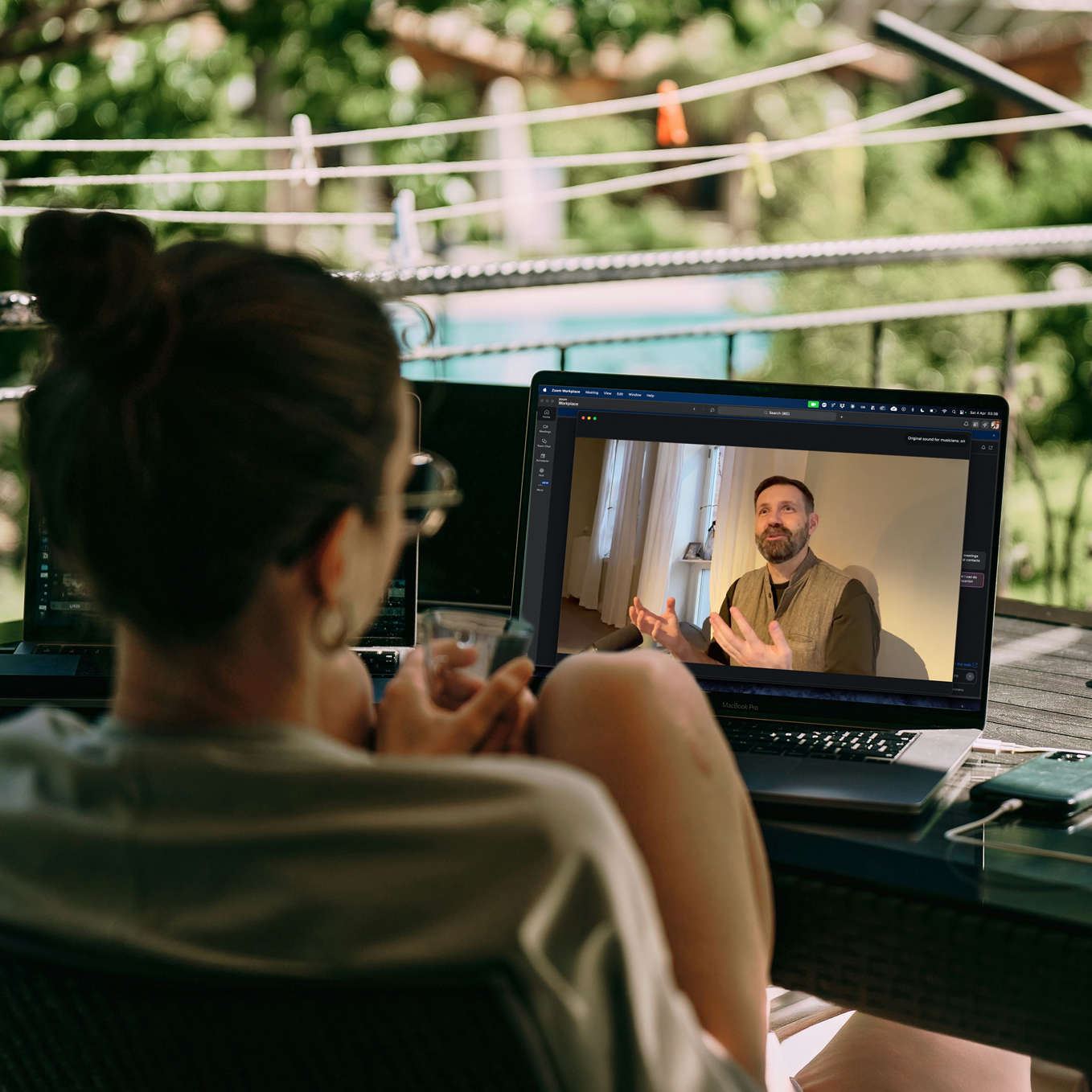
I would like to invite the whole community to a free online Satsang. There will be a guided meditation and Q&A. Sign up for a free Patreon account to access the Zoom link. Warmly welcome!
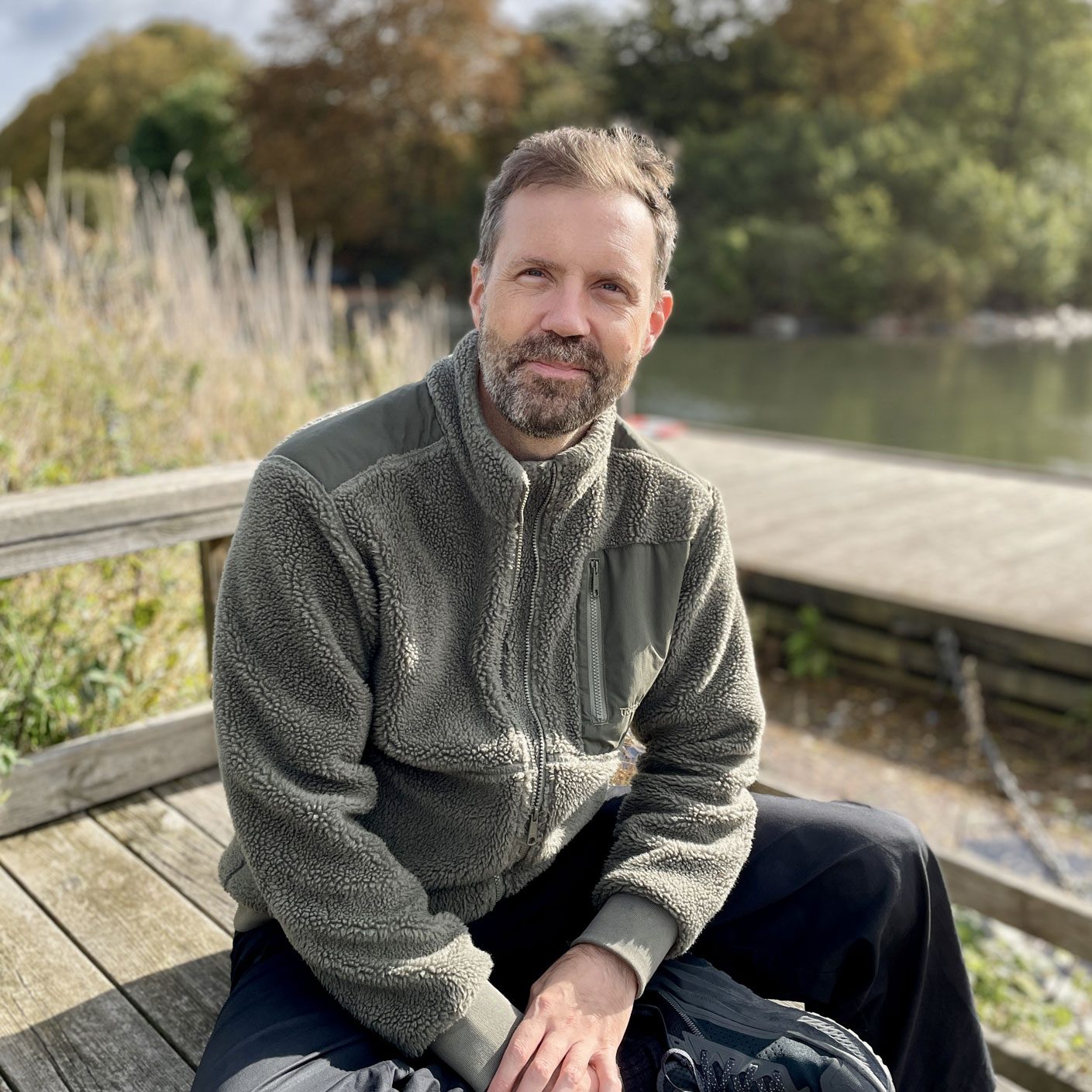
Markus Atmananda teaches meditation and self-inquiry in Malmö, Sweden, and online. What he shares does not rest on accumulated knowledge or a fixed technique, but on direct experience and honest inquiry.
Twenty-seven years of practice, study, and time living as a monk in India have shaped the path, but the teaching itself is always alive, rooted in this moment. His approach is direct, grounded, and always honest.
Childhood – 1999
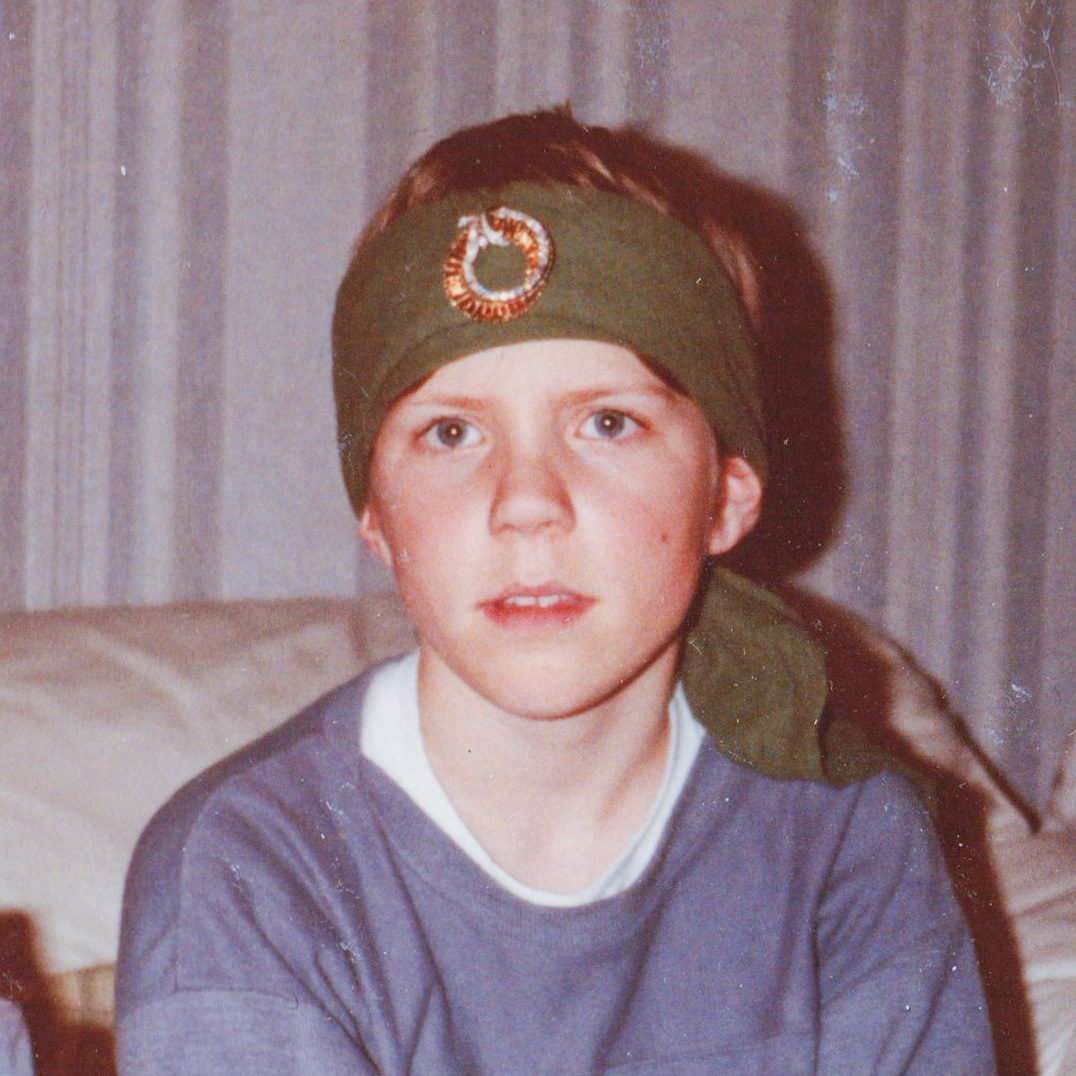
As a child I struggled with anxiety and depression, a deep lack of meaning, and disappointment in the answers I saw in the adult world. But I knew intuitively that more freedom was possible. So I started searching. As a teenager I kept asking my mother about meaning and happiness. She found it challenging, and she often did not know how to answer.
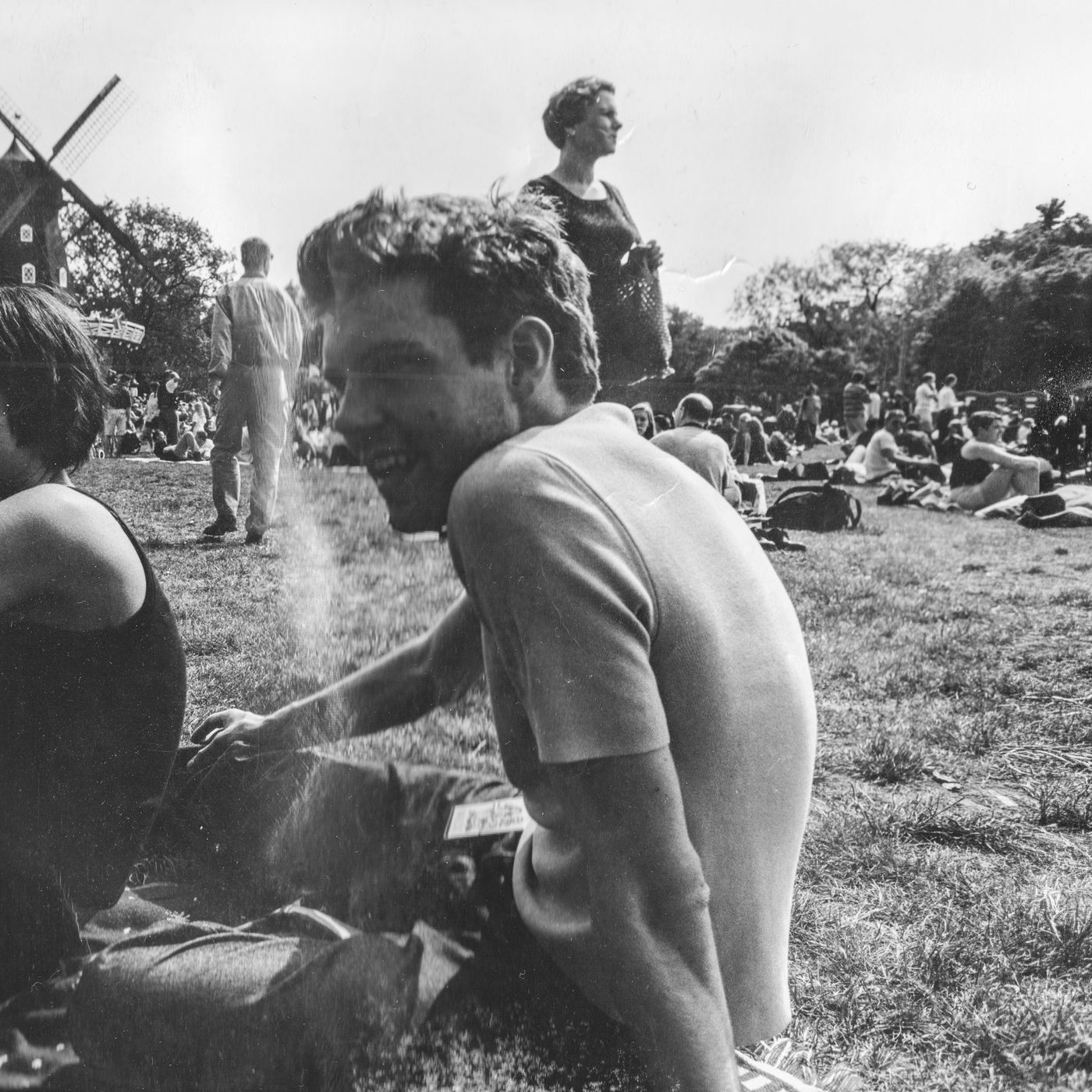
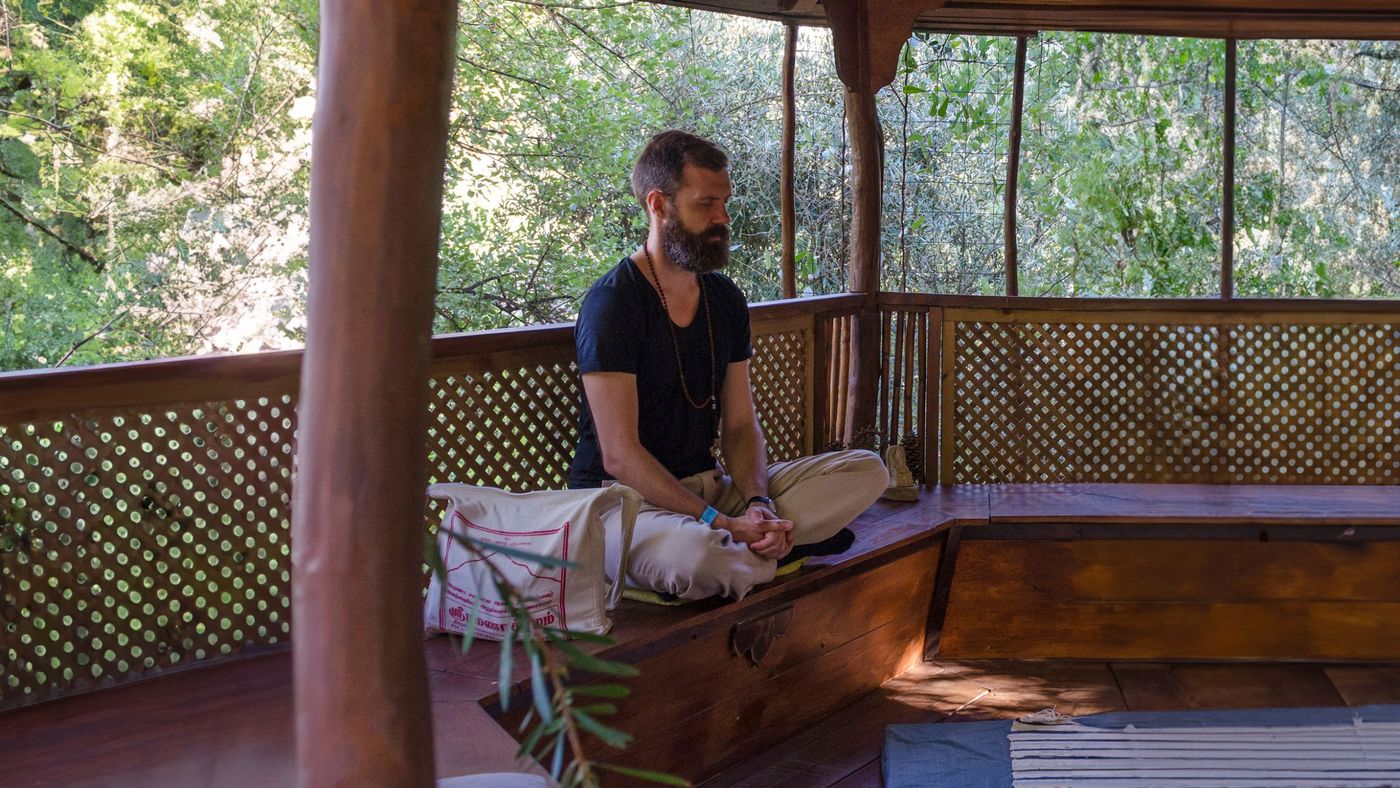
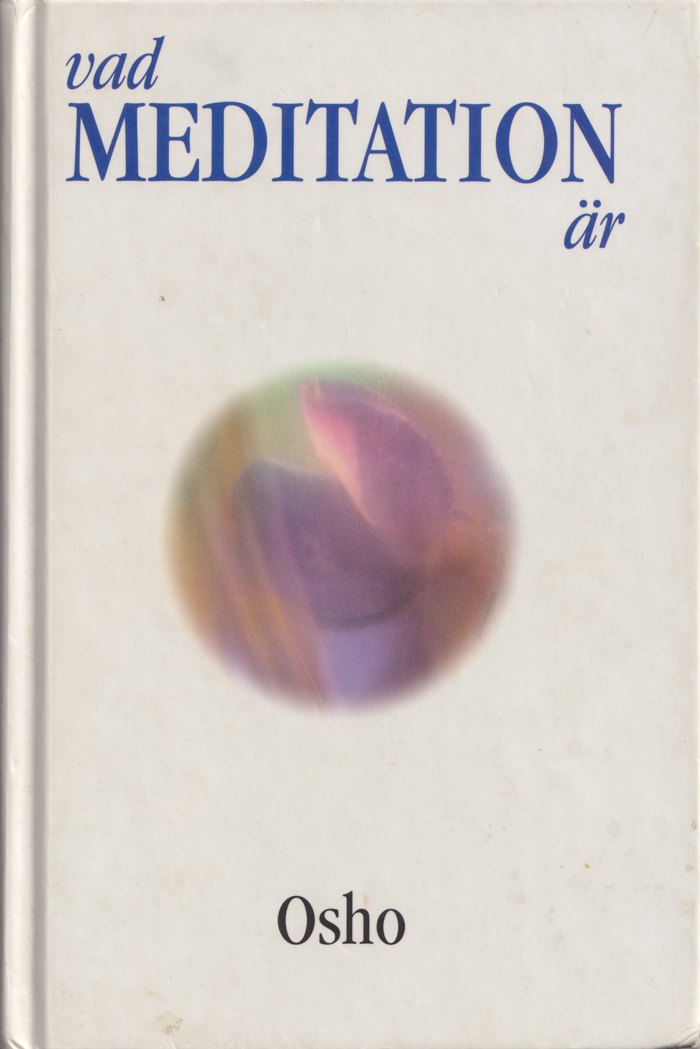
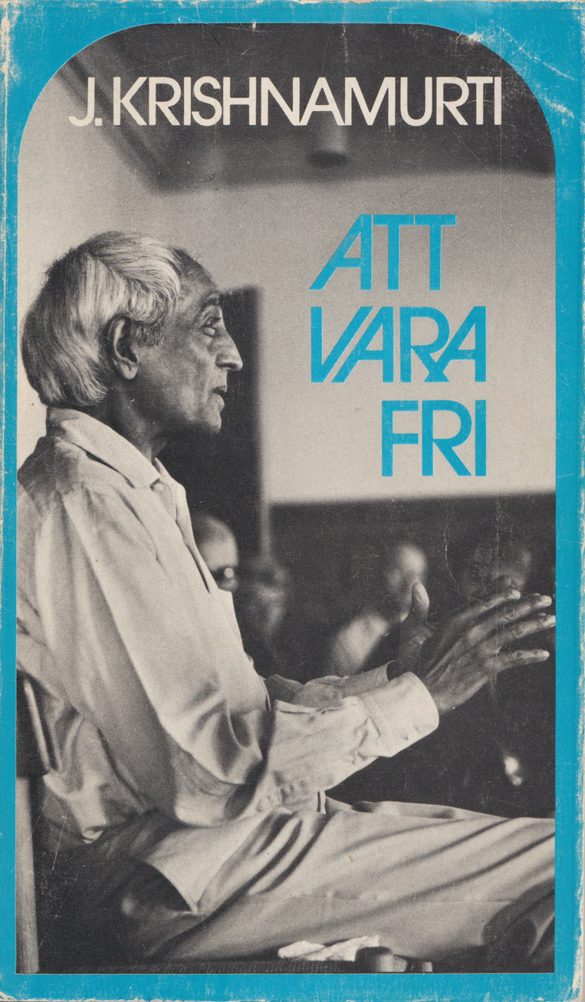
Then, in 1999, a quiet curiosity about meditation appeared. My mother had attended a course with an Osho teacher in Sweden, and she gave me "What is Meditation?" At the local library I found Krishnamurti's "Freedom from the Known". I knew no technique. I simply sat and watched my mind, several hours a day.
No one taught me this. I had a constant, very tight feeling in my belly. I remember lying on my bed, taking my attention to that point, just trying to feel it. The mind interfered all the time, trying to solve why it was there, and again and again I went back. After a while I could stay, and the metal ball in my belly started to change a little. Old pain came up. I cried night after night. Slowly I could relax into it, and I started to feel spacious inside.
Even then I caught glimpses of something. A stillness and freedom beyond thought.
2001
That pull took me to India in 2001. I studied yoga philosophy in Rishikesh and sat my first meditation retreats in Dehradun.
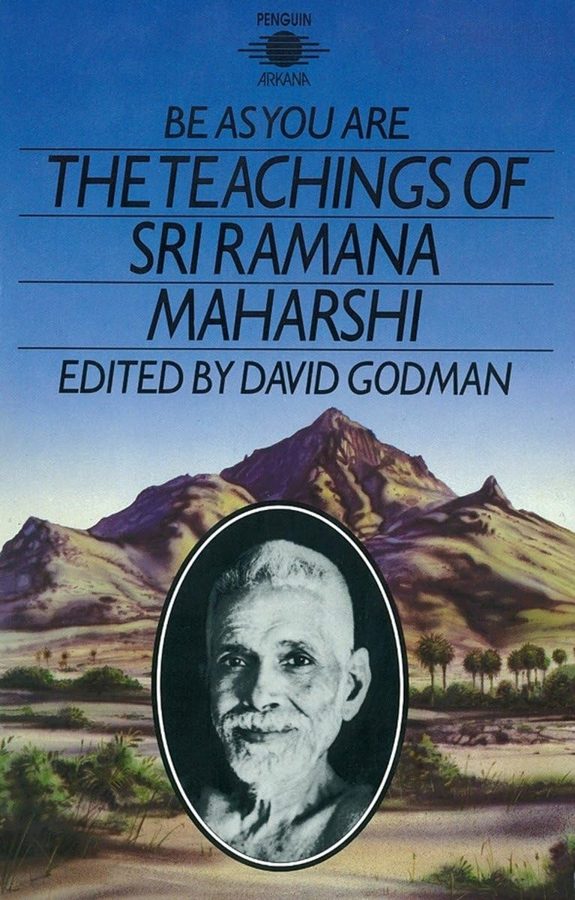
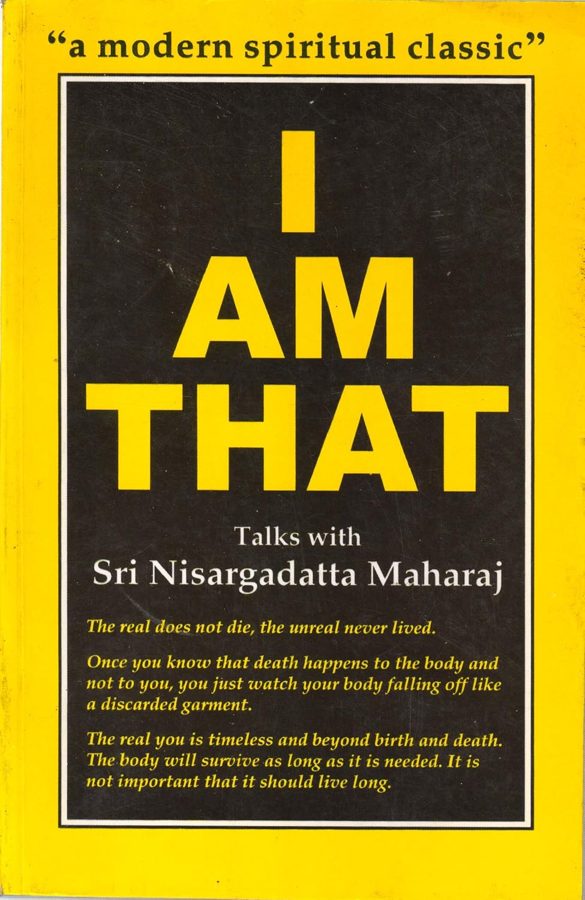
In a bookstore in Rishikesh the owner handed me "Be as You Are", questions and answers with Ramana Maharshi. I also found Nisargadatta Maharaj's "I Am That". Both left a deep mark.
2006 – 2009
Back in Sweden I practiced Vipassana daily, and in 2006 I began a serious yoga practice at Yoga Kendra in Malmö. Later I ran the studio, from 2010 to 2013. Yoga taught me to be present in the body, to relax and rest in observation even when the body is challenged. But once that was integrated, yoga stopped being a spiritual path. It became exercise for the body.
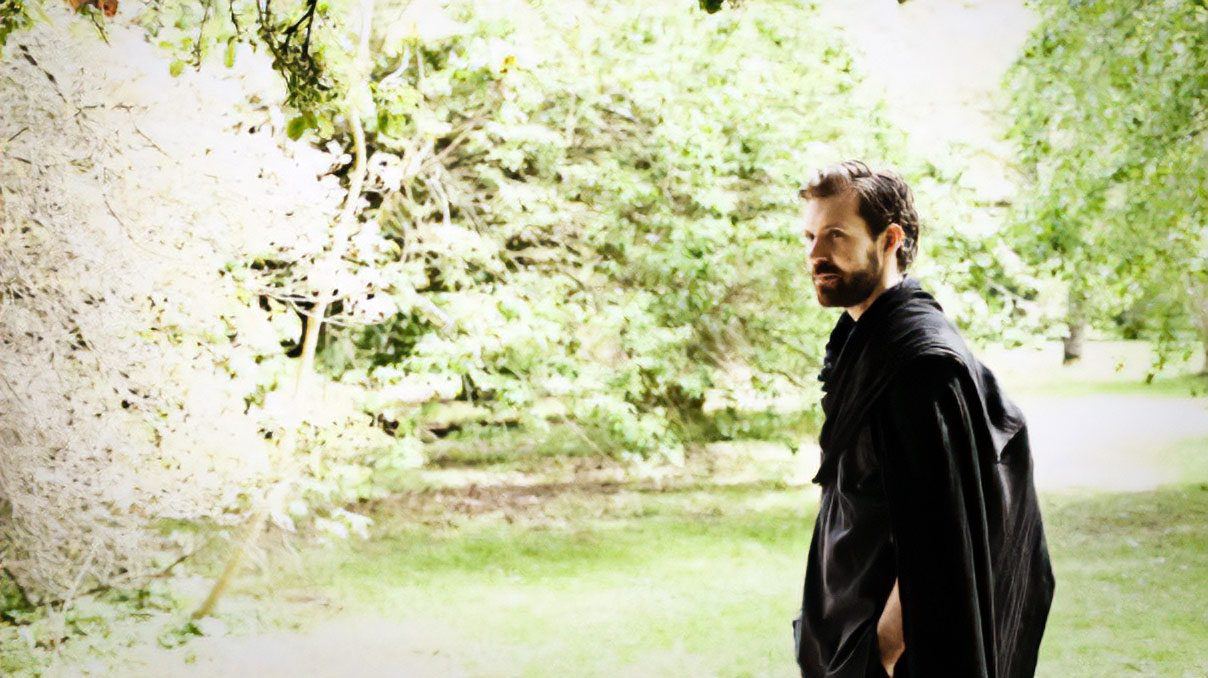
Vipassana followed the same arc. On my fourth retreat I had my first satori, the Zen word for a sudden glimpse of awakening. I did not understand it at the time, and the teacher was inexperienced. The discipline was real, but something essential stayed out of reach. In my heart I longed for the non-dual teachings I had met in India. So in 2009 I let go of Vipassana and went looking for non-dual teachers.
2009 – 2016
I sat with Adyashanti, and with Nukunu, who had worked as a therapist at Osho's ashram and was a student of Papaji, himself a student of Ramana Maharshi. Nukunu taught me to really accept the human side. All the darkness, all the shame and grief I carried. During a didactic self-inquiry session with him I had my second satori.
At·ma·nan·da
/ˌɑːt.mɑːˈnʌn.də/ noun, Sanskrit
“the bliss of the Self.” The name I was given during my non-dual training with Nukunu.
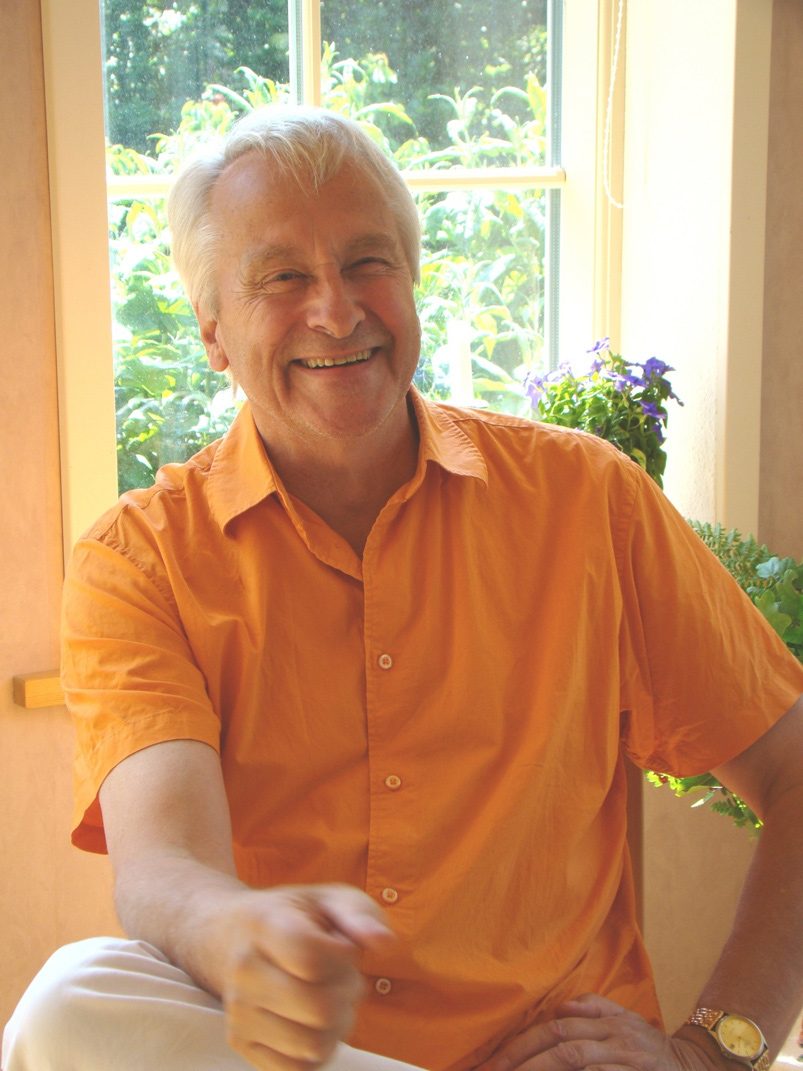
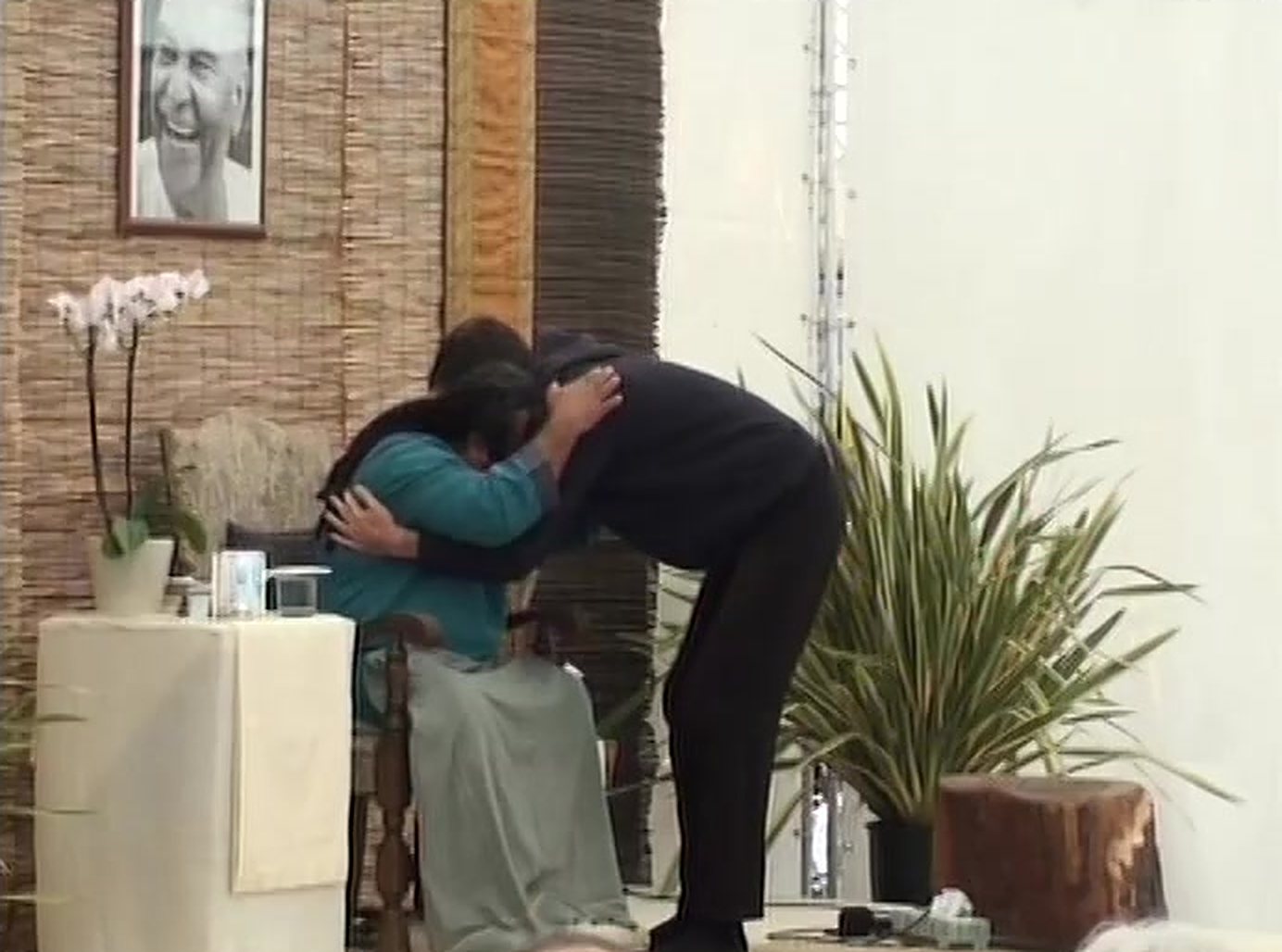
But it came to a point where that was done, at least on the level of needing a teacher to relate to emotions. I wanted to go deeper. So I sought out Mooji, and with him I had my third satori, the moment you see here.
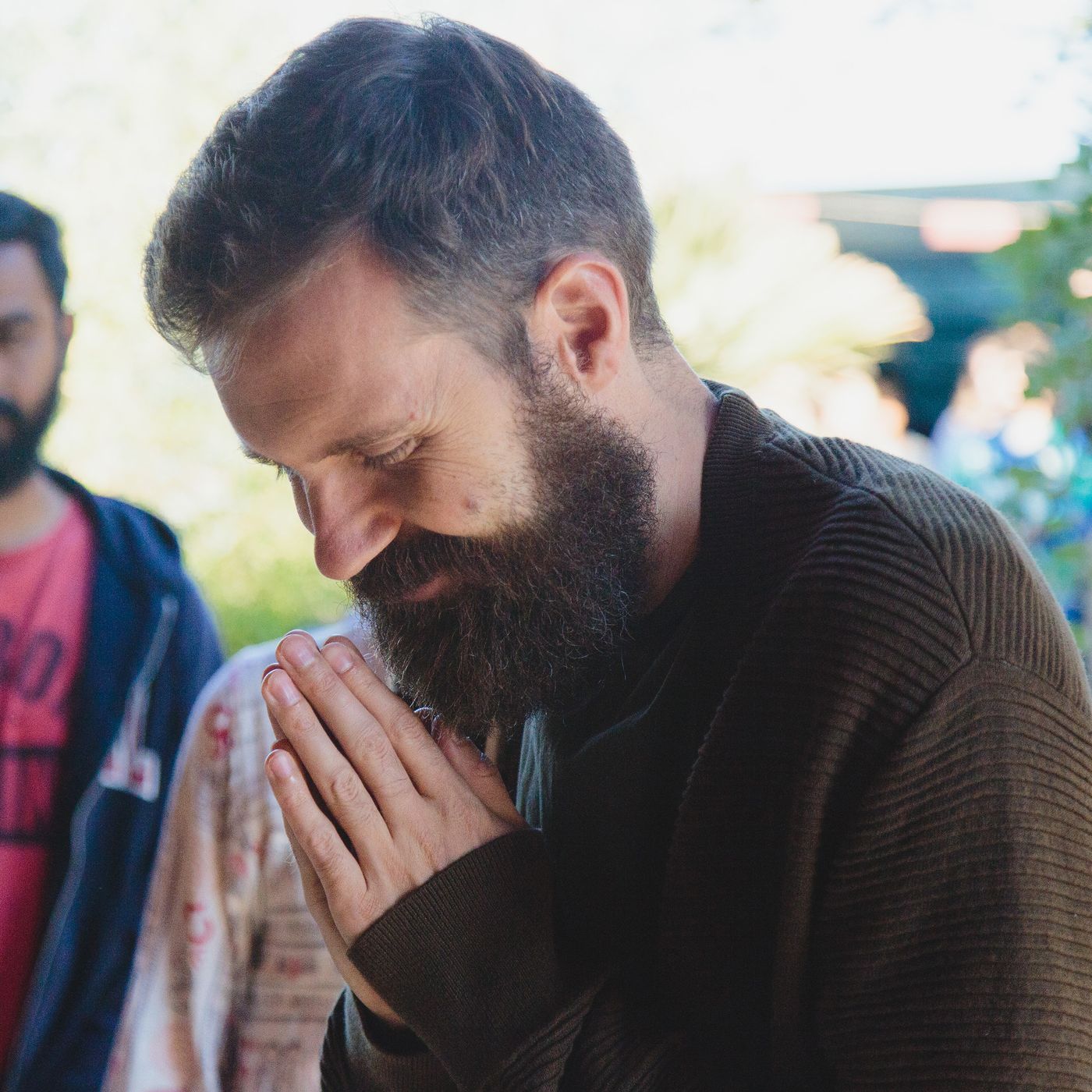
In 2013 the yogi Raja Krishna came to teach at Yoga Kendra. He asked how my meditation was going. I said it was going all right, but I still worried a lot. He looked at me as if I had said the most obvious thing in the world: "That is just a lack of faith." It hit me like lightning. I had thought everything was up to me. My effort, my meditation, my practice. So I surrendered. I made a small altar at home and bowed, and my whole outlook changed.
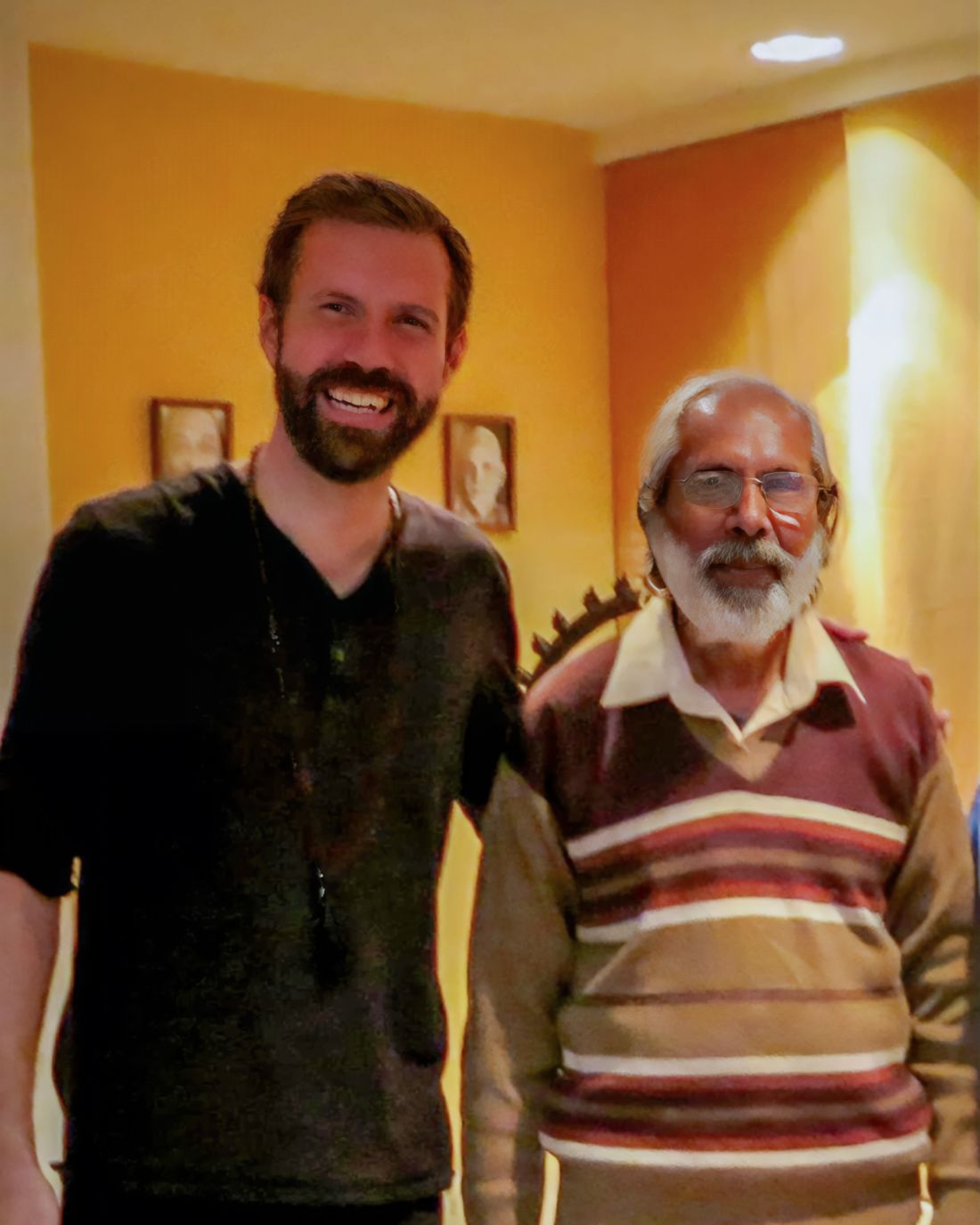
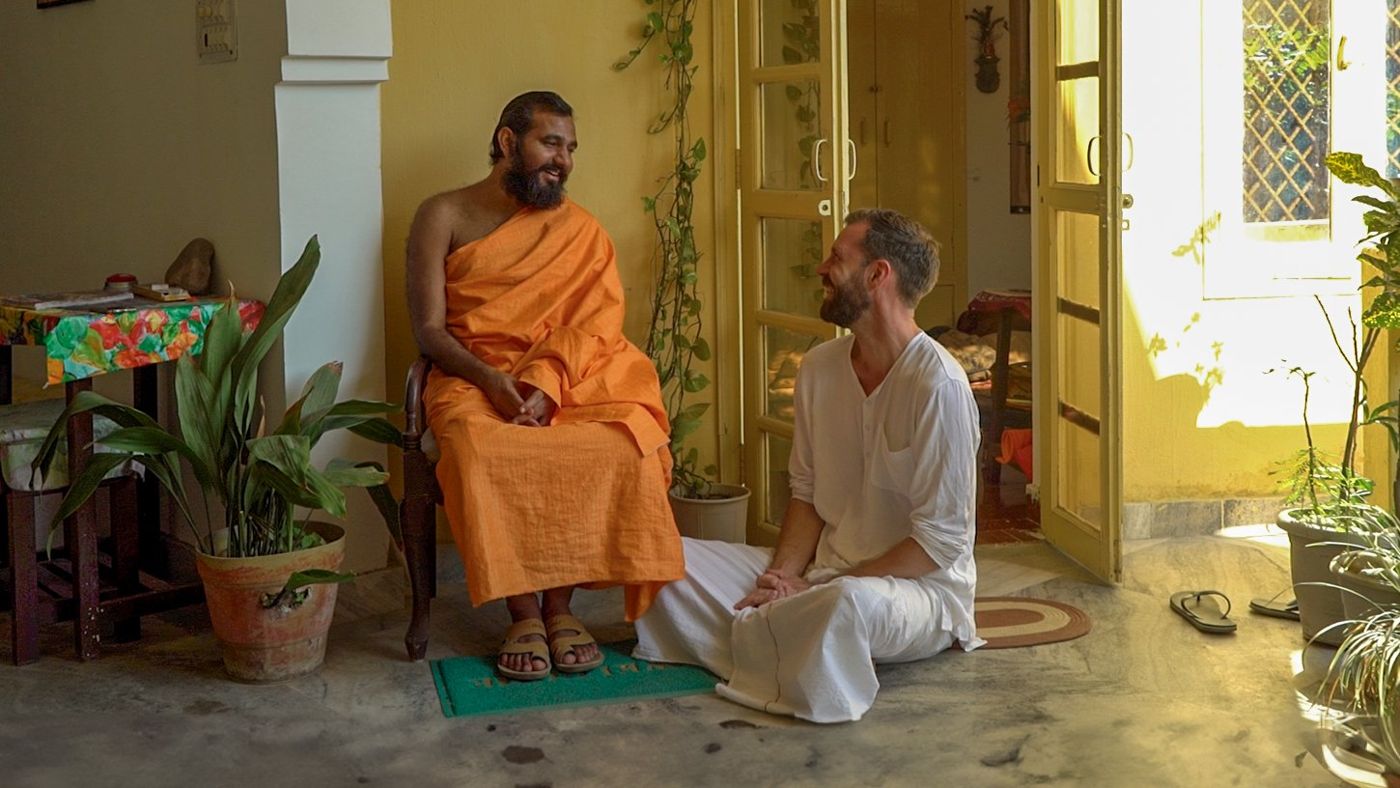
That same year I found Swami Shashwat in Rishikesh. He spoke very little and radiated the deepest stillness. Meanwhile the crowds around Mooji grew and grew, and I lost the intimate stillness I just wanted to bathe in. By 2016 I went only to Swamiji, the perfect teacher for me.
2016
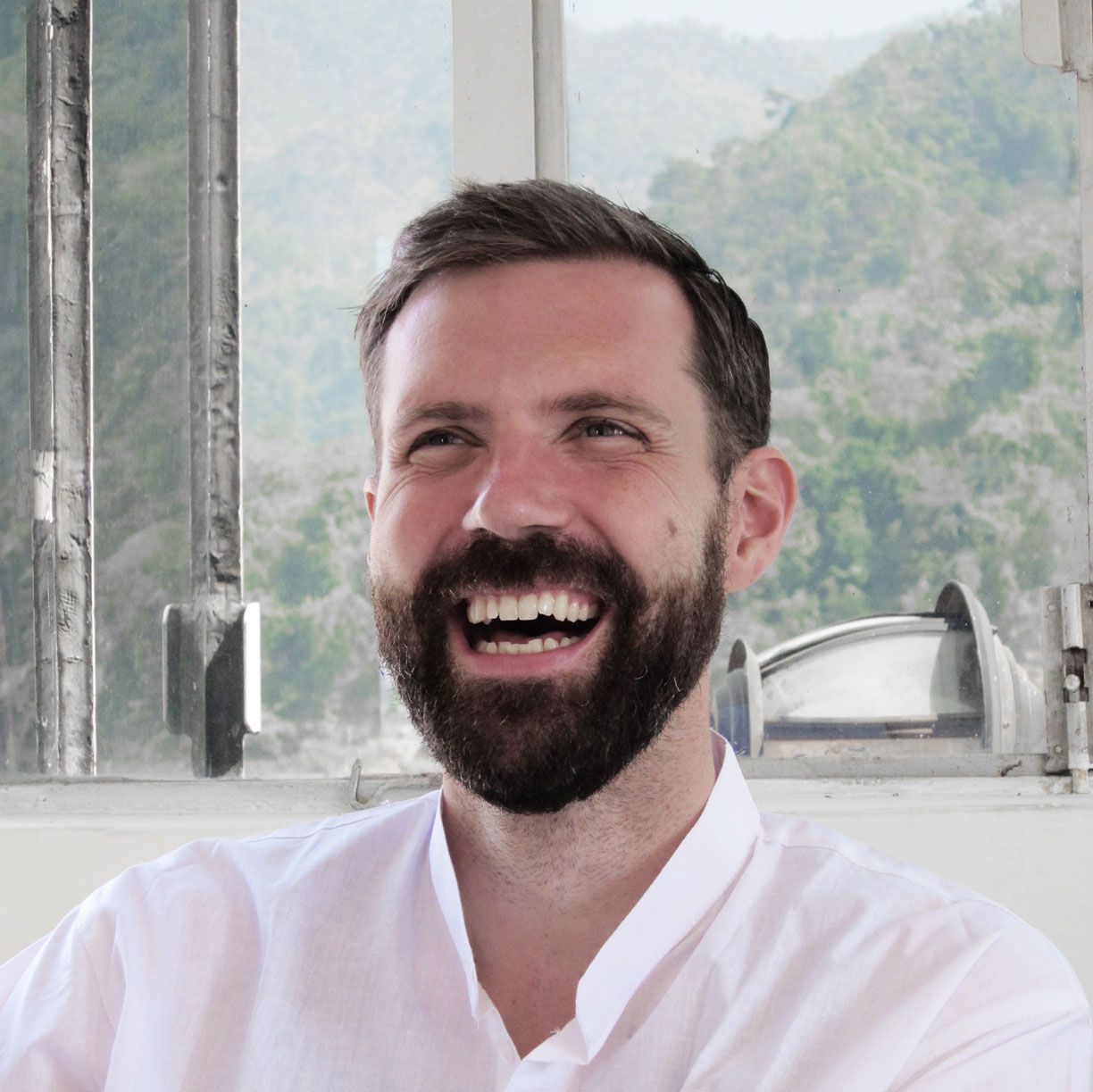
In 2016 I moved into Swamiji's ashram and lived as a monk. For over two years I went back and forth between Rishikesh and Sweden, giving every waking hour to what he taught. Six to seven hours of meditation a day, cooking, chores, and silence.
When I first came to Swamiji, I asked him if he had taken any vows to wear the orange robes and be a swami. He just looked at me and said, "Do you like rules?" I said no. "Me neither." He had not promised anything. He just wanted to dedicate his life to this.
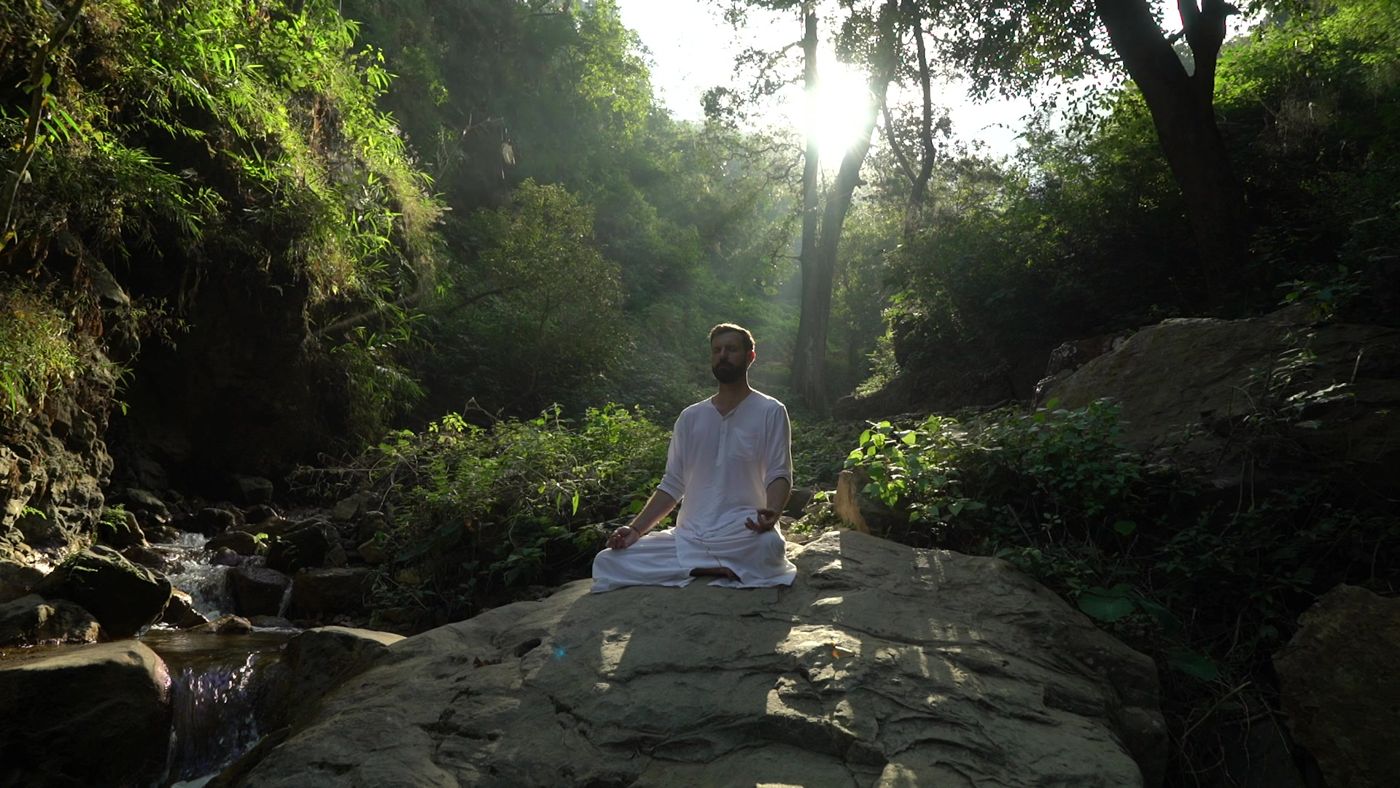
There I saw firsthand how much a community, and a teacher who radiates silence, can support you.
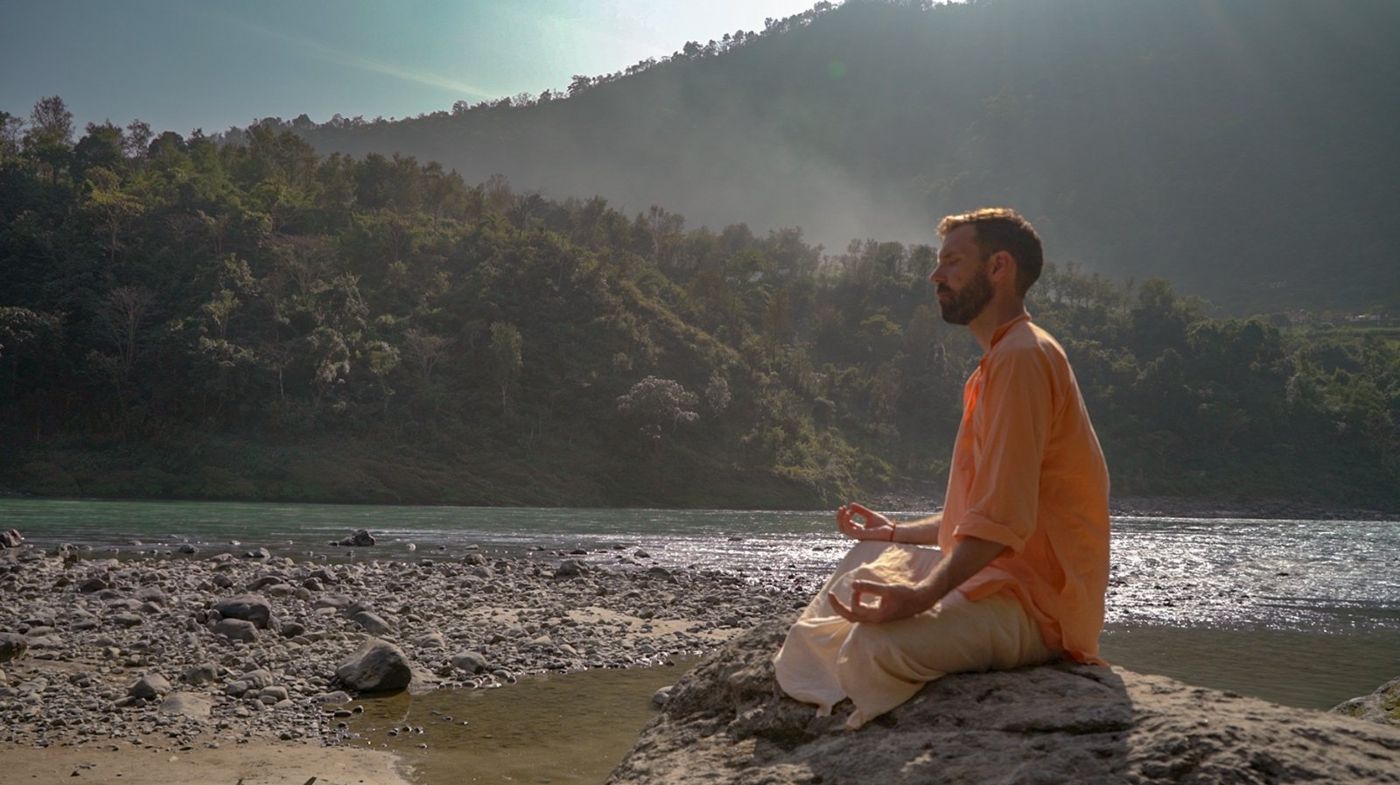
When I left Swamiji, I thanked him and said I was so happy, I didn't feel like I needed anything. He just said, "Don't stop practicing." It is very easy to feel that it's done.
That time changed everything. Not by adding something new, but by clearing away what had been in the way.”
Today
Back in Sweden, people started asking me about meditation all the time. So I started holding courses. They became weekly satsangs, then workshops, then retreats. I have also taught at festivals and retreat centers like Ängsbacka, and at yoga studios around Sweden.
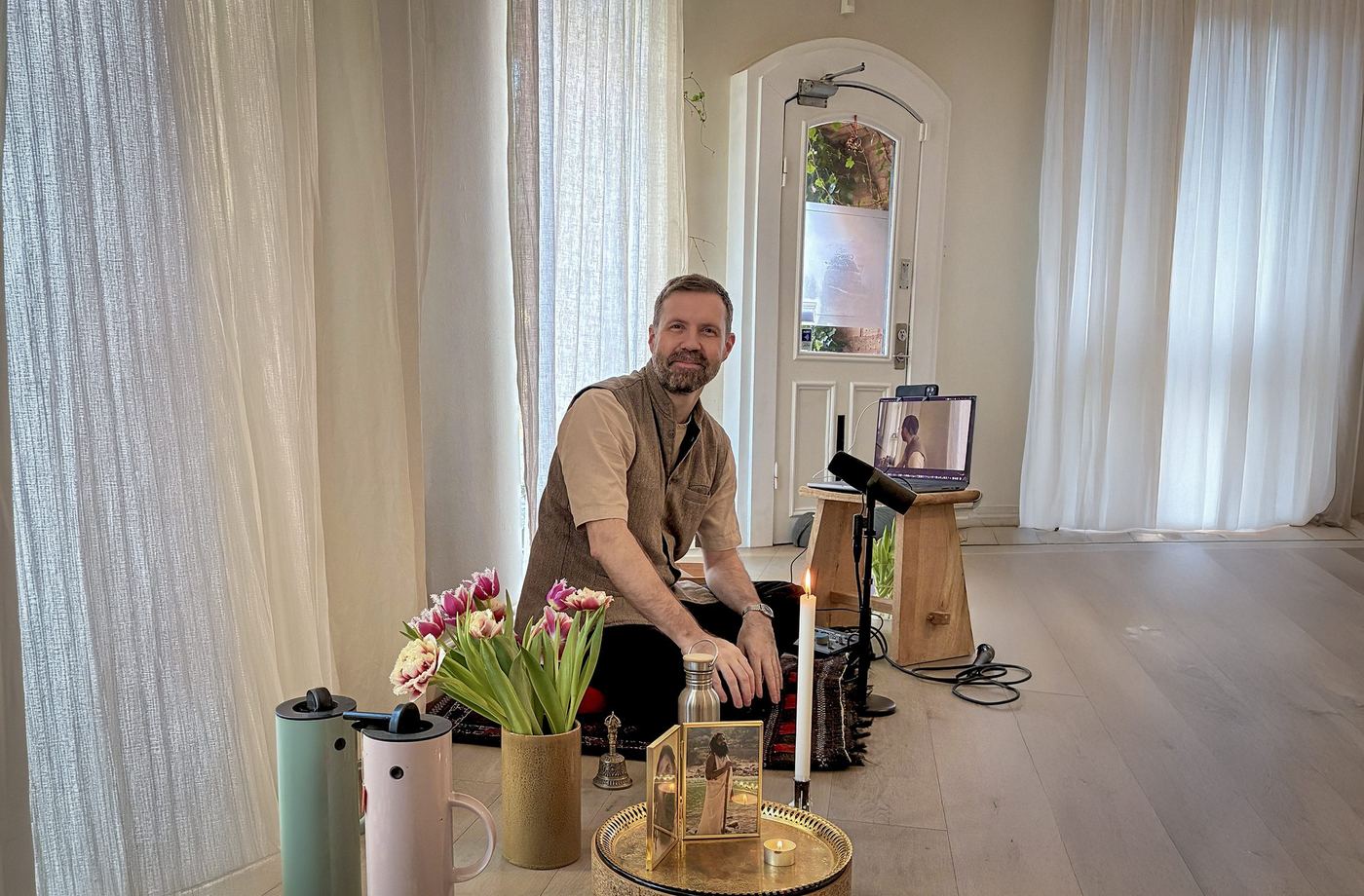
I practiced alone a lot in the beginning, and it was very difficult. I wish this kind of space had been there when I started. That is why I do this. It helps so much to sit with others, to hear someone ask a question and think: this also relates to me.
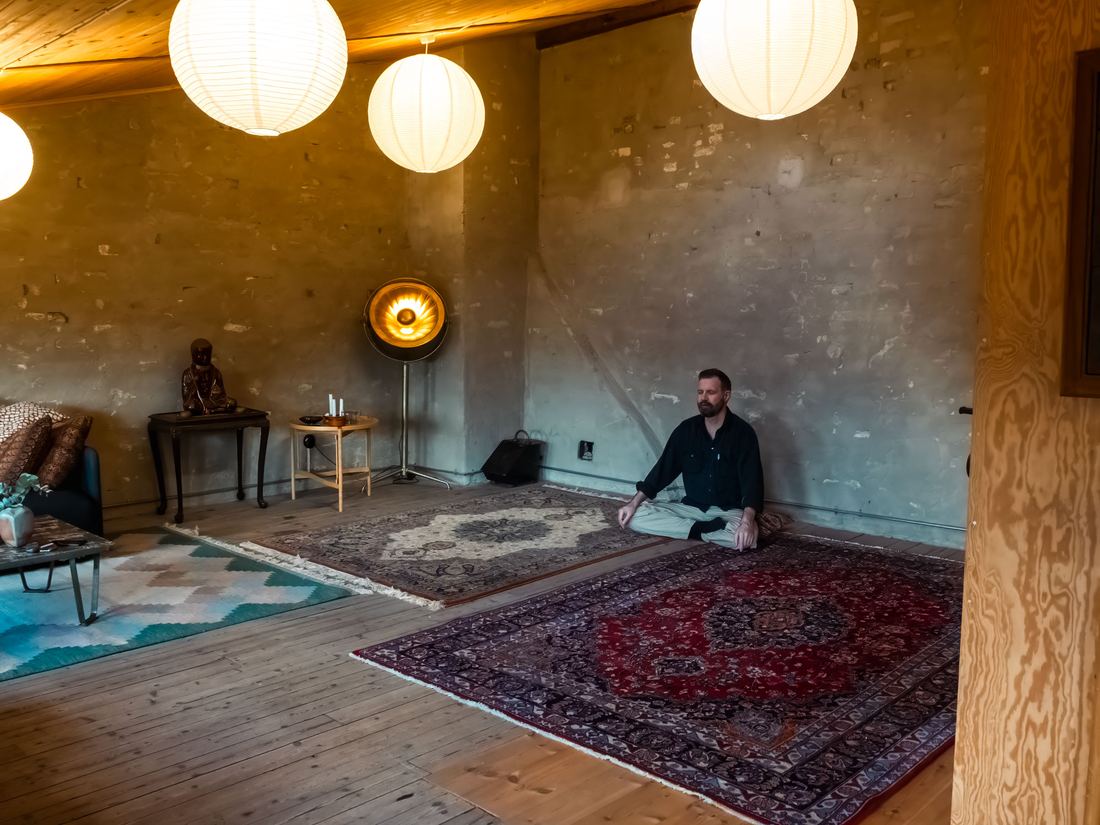
Every meeting is spontaneous. Always different, always rooted in this moment.
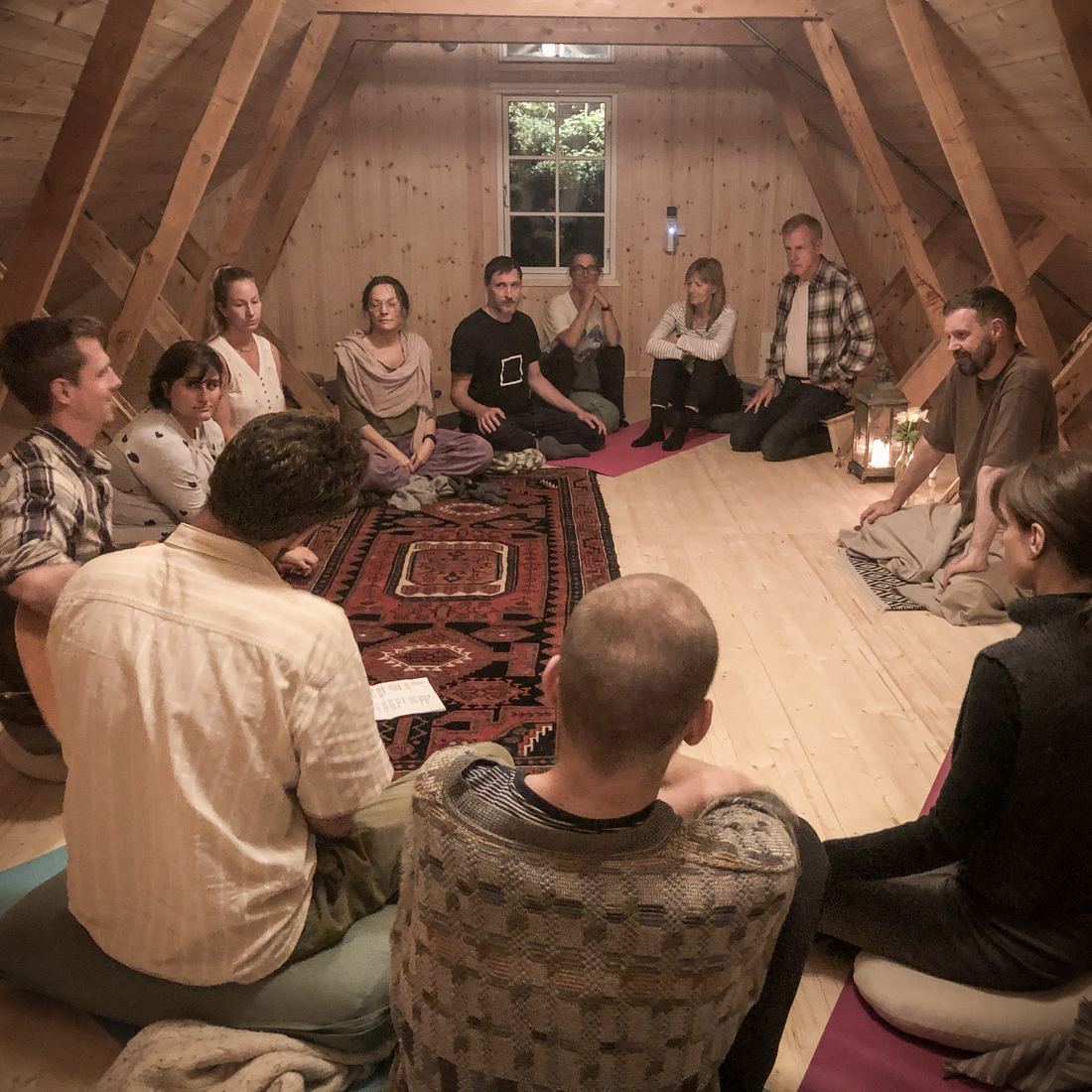
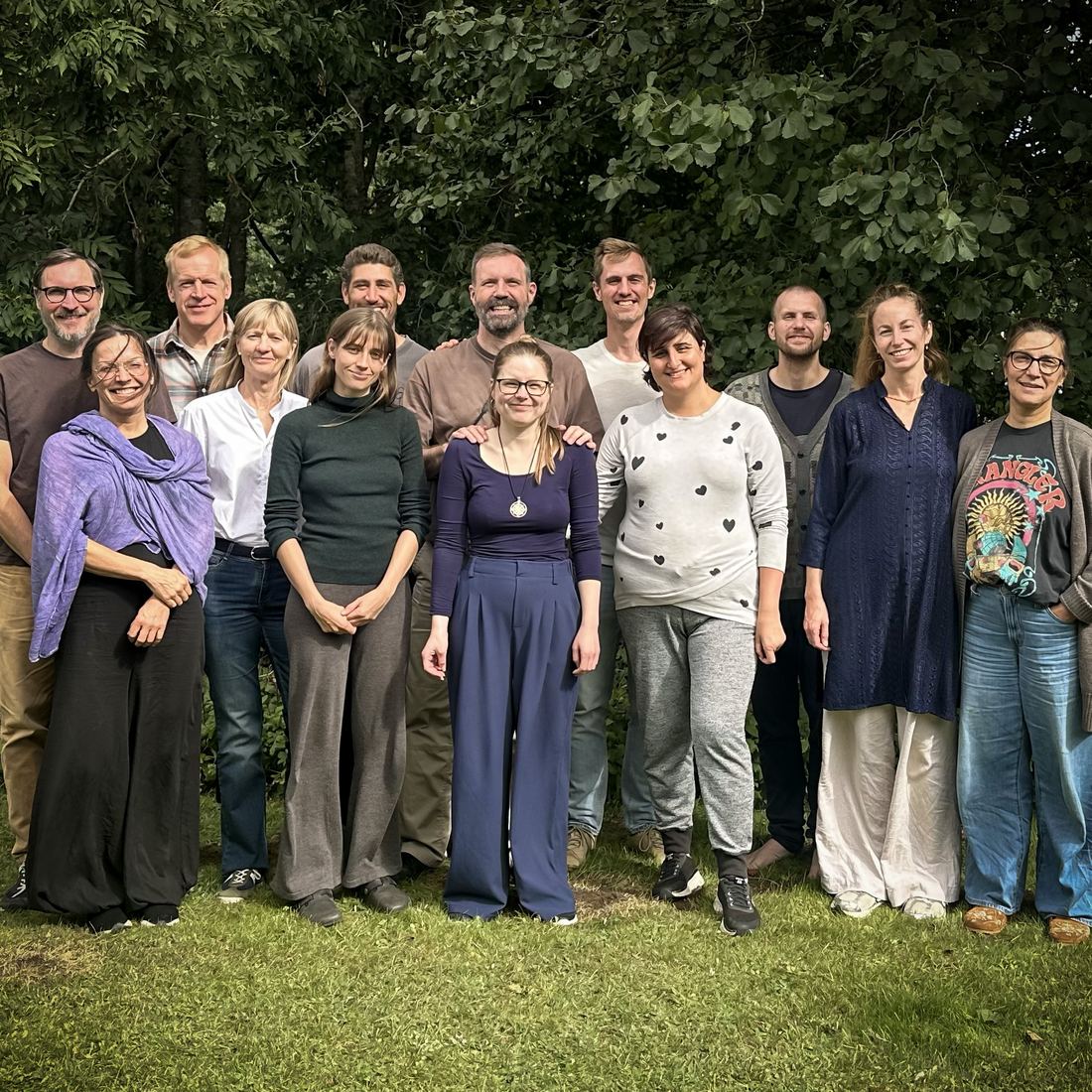
Sitting together in honesty and stillness supports the practice, and over time these gatherings have grown into a committed, supportive community.
What people say
Knowing I'm no longer a project to be fixed makes life so much more beautiful.
 Anders Persson
It is a beautiful disappointment for the ego.
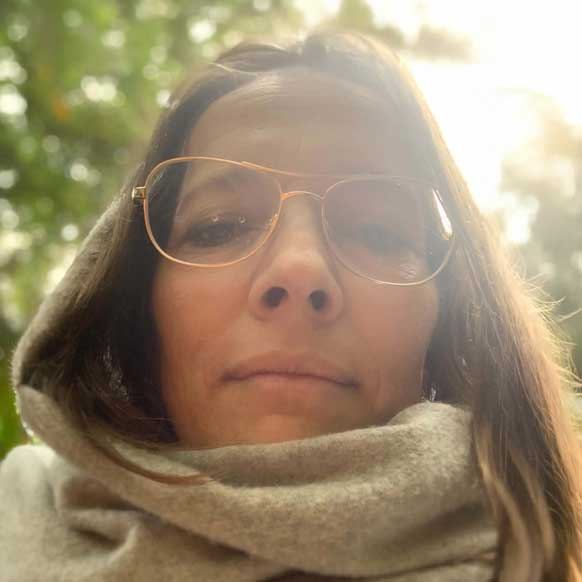 Ann Linderoth
In his presence I always feel deeply loved, embraced, and allowed to be as I am.
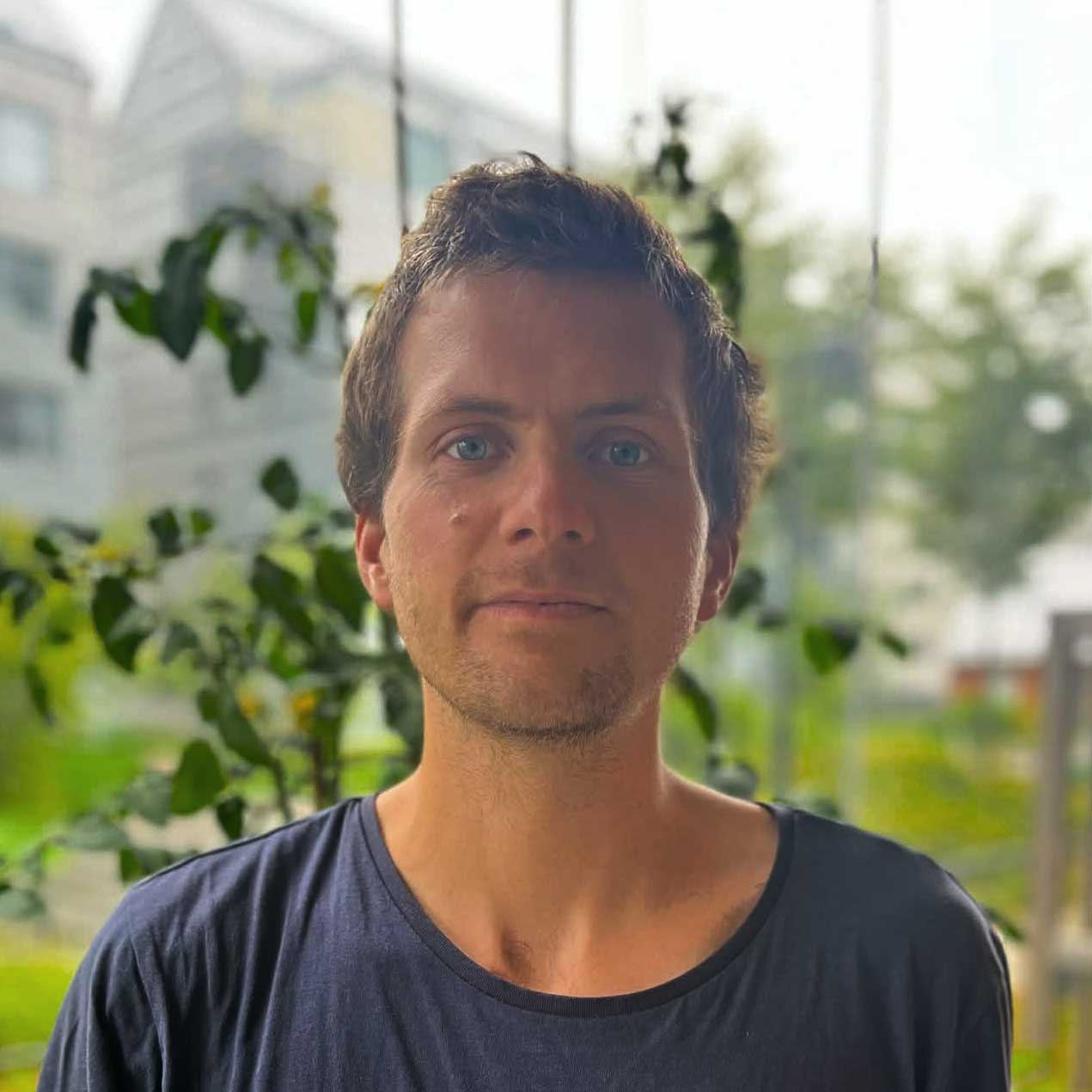 Ola Winberg
What he teaches
The teaching is rooted in direct experience, not belief.
What is offered is a space to look honestly at your own experience. At what creates inner tension, and at the stillness that becomes apparent when you stop fighting what is here. The role of a teacher is not to hand you the truth, but to help you uncover it for yourself.
Next event
Monday 23 NovemberOnline
I would like to invite the whole community to a free online Satsang. There will be a guided meditation and Q&A. Sign up for a free Patreon account to access the Zoom link. Warmly welcome!